
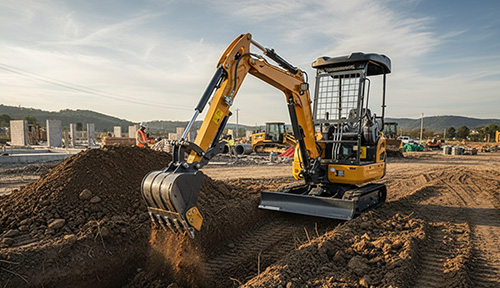
Excavators are versatile machines, but their true value comes from the attachments they can use. With the right attachment, a single excavator can complete multiple tasks, such as demolition, drilling, material handling, and landscaping. Choosing the correct attachments not only improves productivity but also reduces labor costs and project time. This guide will help you understand the most common excavator attachments, their applications, and how to select the best one for your project.
1. Why Attachments Matter
Excavator attachments transform a single machine into a multi-functional tool. Instead of buying multiple specialized machines, you can use one excavator with different attachments to complete various tasks. This approach offers:
- Cost savings: Reduce the need for additional equipment.
- Higher efficiency: Quick attachment changes improve workflow.
- More flexibility: Adapt to different job site requirements.
- Better utilization: Increase machine utilization and ROI.
2. Common Excavator Attachments and Their Uses
2.1 Hydraulic Hammer (Breaker)
Application: demolition, concrete breaking, rock breaking
Hydraulic hammers are widely used in construction and mining. They are ideal for breaking concrete slabs, rocks, and old foundations. When choosing a hydraulic hammer, consider the following:
- Breaker size: Match the hammer size to the excavator’s operating weight.
- Impact energy: Higher energy delivers better breaking performance.
- Tool steel quality: High-quality steel improves durability.
2.2 Auger
Application: drilling holes for posts, fences, trees, foundation piles
Augers are essential for landscaping and agricultural projects. They can quickly drill holes with minimal manual labor. Consider:
- Diameter range: Choose based on the size of holes needed.
- Drilling depth: Ensure the auger can reach required depth.
- Drive motor type: Hydraulic or electric, depending on machine compatibility.
2.3 Grapple
Application: handling logs, debris, waste, and bulk materials
Grapples are common in forestry, recycling, and demolition. They allow operators to pick up and move irregular materials efficiently. Key points:
- Claw design: Different grapples are designed for specific materials.
- Rotation function: Rotating grapple improves precision and control.
- Strength: Strong structure ensures stable operation.
2.4 Quick Coupler
Application: fast attachment switching
Quick couplers enable operators to switch attachments quickly without leaving the cabin. Benefits include:
- Time saving: Reduce downtime during attachment changes.
- Safety: Minimizes manual handling risks.
- Flexibility: Easily switch between tasks.
2.5 Tilt Bucket
Application: grading, slope shaping, trenching
Tilt buckets provide better control over grading angles and slopes. They are widely used in road construction, landscaping, and irrigation projects. Consider:
- Tilt angle: Choose based on the required grading slope.
- Bucket width: Match the work area size.
- Material thickness: Ensure durability for heavy-duty use.
2.6 Ripper
Application: breaking hard soil, compacted ground, rock layers
Rippers are used in agriculture, mining, and road construction. They can break through tough ground conditions, improving excavation efficiency. Consider:
- Tine shape and strength: Strong tines improve penetration.
- Mounting type: Ensure compatibility with excavator model.
- Wear parts: Replaceable tips increase service life.
3. How to Choose the Right Attachment
When selecting attachments, you should consider:
3.1 Project Requirements
- What task will the attachment perform?
- What material will it handle (soil, rock, concrete, debris)?
- What is the required working speed?
3.2 Machine Compatibility
Ensure the attachment matches your excavator’s:
- Operating weight
- Hydraulic flow rate and pressure
- Coupler type
3.3 Safety and Maintenance
- Choose attachments with safety locks and reliable design.
- Check for easy maintenance and availability of spare parts.
4. Attachment Maintenance Tips
To ensure long-term performance and reduce downtime, follow these maintenance tips:
- Regularly check hydraulic hoses for leaks and damage.
- Inspect pins and bushings for wear.
- Lubricate moving parts according to manufacturer instructions.
- Replace worn teeth and cutting edges promptly.
- Store attachments properly to prevent rust and damage.